How to Wind a Bobbin

crwdns2959934:0crwdnd2959934:0Spencer Penningtoncrwdnd2959934:0crwdnd2959934:0crwdnd2959934:0crwdne2959934:0
crwdns2959936:0Nhl 15, 2025crwdne2959936:0
crwdns2869540:0crwdne2869540:0: 650
crwdns2959988:0crwdne2959988:0
- crwdns2959990:0crwdne2959990:0
- 5
- crwdns2959992:0crwdne2959992:0
- 39
- crwdns2959994:0crwdne2959994:0
- 154
- crwdns2959996:0crwdne2959996:0
- 650
crwdns2955950:0crwdne2955950:0: 0
crwdns2959998:0crwdne2959998:0
crwdns2960000:0crwdne2960000:0crwdns2959984:0crwdne2959984:0: 0 1
crwdns2959956:0crwdne2959956:0
crwdns2959968:01crwdne2959968:0
crwdns2959986:0crwdne2959986:0: 0 1
crwdns2959958:0crwdne2959958:0
crwdns2959976:01crwdne2959976:0
crwdns2952163:0crwdne2952163:0
crwdns2869449:0crwdne2869449:0
crwdns2915892:0crwdne2915892:0
crwdns2959928:0crwdne2959928:0 ↓A bobbin is a small spool, usually made of plastic or metal, that holds the lower thread in a sewing machine. It works together with the top thread to form each stitch.
Make sure to use the proper kind of bobbin for your machine or tool.
The Patagonia® Expedition Sewing Awl uses a Class 15 bobbin to hold thread.
Follow this guide to add new thread to a bobbin using a sewing machine or a bobbin winder.
crwdns2959930:0crwdne2959930:0
crwdns2943213:0crwdne2943213:0


crwdns2943215:0crwdne2943215:0
-
-
Sewing Machinecrwdns2942747:0crwdne2942747:0 crwdns2959944:0crwdne2959944:0crwdns2931591:0Amazoncrwdne2931591:0
-
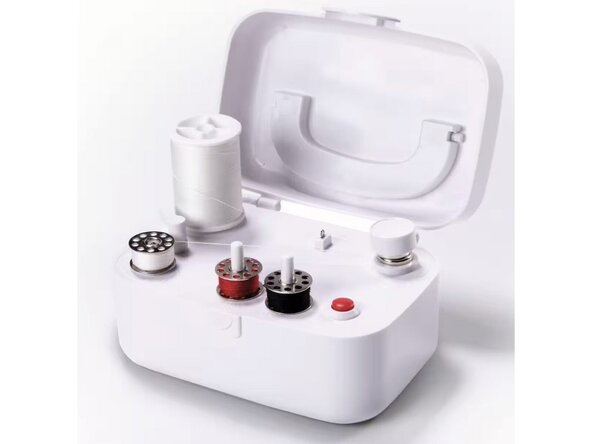
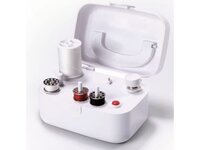
Bobbin Windercrwdns2942747:0crwdne2942747:0 crwdns2959944:0crwdne2959944:0crwdns2931591:0Amazoncrwdne2931591:0


-
-
-
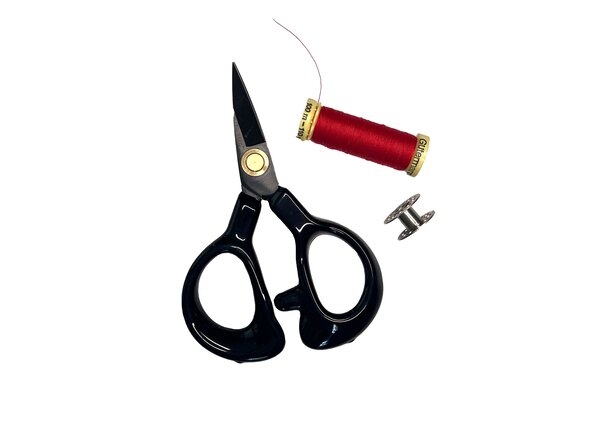
You'll need:
-
A sewing machine or bobbin winder
-
An empty bobbin (compatible with your machine or tool)
-
A spool of thread
-
Your sewing machine or bobbin winder manual (optional, but helpful, especially for first-timers!)
 crwdns2952109:0crwdne2952109:0
-
-
-
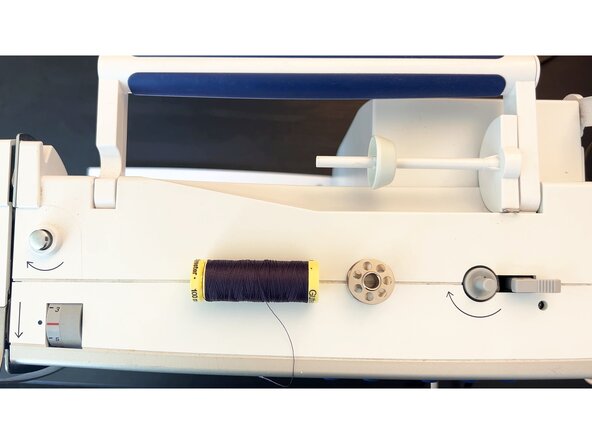
Place the bobbin onto the bobbin winder pin.
-
Place the spool of thread onto the spool pin.
-
Secure the spool with a cap if your machine uses one.
-
Guide the thread through the thread path and tension discs, following your machine's manual.
-
-
-
Attach the thread to the bobbin:
-
If the bobbin has a hole, thread the end through it from the inside out.
-
If the bobbin doesn't have a hole, wrap the thread around the bobbin manually a few times in the direction it will spin.
-
Turn on the machine if it's not already on.
-
Engage the bobbin winder by pushing the bobbin pin to the right or pressing a knob, depending on your machine.
-
Hold the thread tail for the first few seconds, then let go once it’s secure.
-
-
-
The bobbin will spin and fill with thread.
-
Cut the thread and remove the bobbin.
-
-
-
-
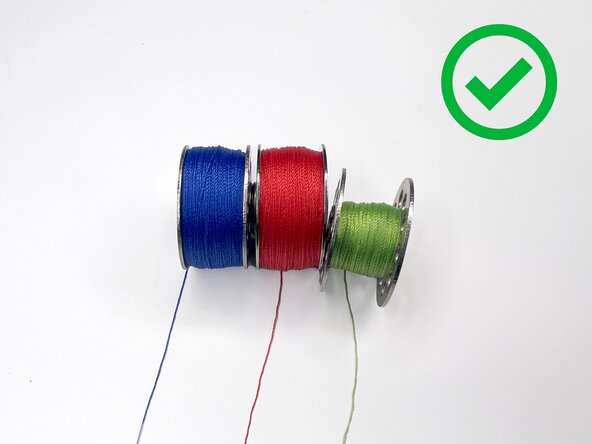
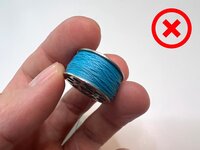
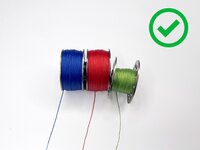
Uniform distribution: The thread should be wound in smooth, uniform layers across the entire bobbin. There are no peaks, dips, or bunching in the middle or at the edges.
-
Firm tension: The thread should be tight and compact. Each layer lies flat and smooth without loops or tangles.
-
Proper fill level: When full, the thread shouldn't extend past the rim of the bobbin.
-
-
-
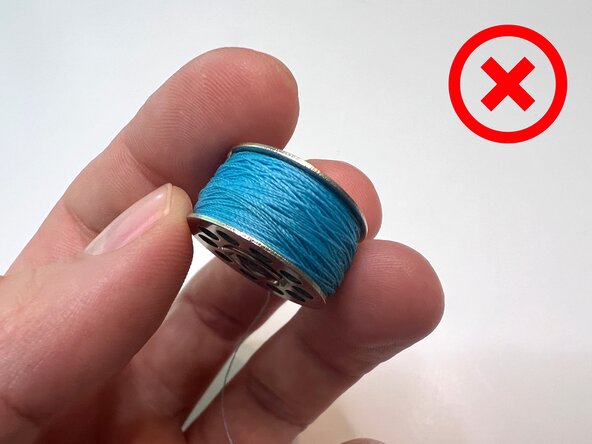
Loosely wound: A messy bobbin leads to messy sewing. The bobbin must be wound tightly and with consistent tension to function properly—this applies whether you're using a sewing machine or an Expedition Sewing Awl. Unwind the bobbin, re-thread the machine, and try again. Make sure the thread passes through all tension guides.
-
Not winding: Make sure the machine is in bobbin mode. This may involve flipping a switch or pressing a knob. On some machines, the foot pedal must be pressed to activate the winder.
-
-