
crwdns2933423:0crwdne2933423:0

What's the enclosure External M.2 SSD NVMe (IF107-159-1) made of?

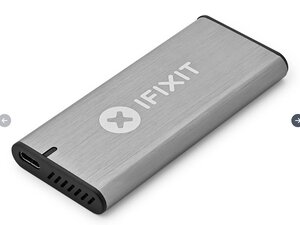
External M.2 SSD NVMe Enclosure (IF107-159-1)

The title asks the question. The reason for it is that I understand aluminum enclosures are better for dealing with heat, unless of course it's got a fan, which this one doesn't have.

crwdns2886500:0Use an M.2 SSD as an external drive in this enclosure. USB 3.1 transfer speeds up to 10GB/scrwdne2886500:0

crwdns2934075:0crwdne2934075:0

External M.2 SSD NVMe Enclosure

$29.99

crwdns2934089:0crwdne2934089:0 crwdns2934093:0crwdne2934093:0

crwdns2934109:0crwdne2934109:0

crwdns2889612:0crwdne2889612:0 0
crwdns2934285:0crwdne2934285:0

crwdns2933313:01crwdne2933313:0

crwdns2934057:0crwdne2934057:0

The shell is aluminum, but the inside is plastic.

crwdns2934105:0crwdne2934105:0

crwdns2889612:0crwdne2889612:0 1

crwdns2944067:04crwdne2944067:0:

Looks to be sadly isn't sufficient:-( Especially if it's partly plastic.

This is something iFixIt should have in the specs as it apparently is relevant.

crwdns2934271:0crwdnd2934271:0crwdne2934271:0

@edward30948 - the end cases are plastic and the tube is metal. Even still this case is not designed for the larger SSD's which produce excessive heat.

If that is what you are looking for there are more substantial cased with mounting pads to leverage the case as well as heat fins and fans to move air across the SSD drive. Here's one case as an example OWC Express 1M2

To be clear a 512GB or 1TB which is using more chips won't have a problem. It's the super dense chips and 2, 4 and even 8TB drive configurations that have heat issues.

crwdns2934271:0crwdnd2934271:0crwdne2934271:0

@danj TL;DR: if it needs cooling to avoid throttling with a heatsink, no bueno. Maybe you can get away with drives with thin heatshinking, but it's not going to do well with others.

crwdns2934271:0crwdnd2934271:0crwdne2934271:0

@nick - It’s simple physics at play here, the NAND chips density plays a sizable role, and the more of them you have the more heat can be present.

But it’s also the amount of data being moved that generates the heat the most Vs just reading the data.

So a very full drive which holds all my music playing it won’t be a problem, but wiping it and then copying my video library to it would likely push the heat slowing the drive down as it tries to comply.

As the drives ability to shed the heat would hold it back. But the again adding a few new songs to my music library wouldn’t be a problem.

The TL:DR here is the density of the NAND chips and the number sets the heat threshold and the use sets amount of heat generated. Which it turn sets the need of sinking the heat or not.

crwdns2934271:0crwdnd2934271:0crwdne2934271:0

crwdns2934285:0crwdne2934285:0

crwdns2934229:0crwdne2934229:0

edward crwdns2934231:0crwdne2934231:0
crwdns2936625:0crwdne2936625:0:

crwdns2936751:024crwdne2936751:0 28

crwdns2936753:07crwdne2936753:0 28

crwdns2936753:030crwdne2936753:0 28

crwdns2942667:0crwdne2942667:0 28